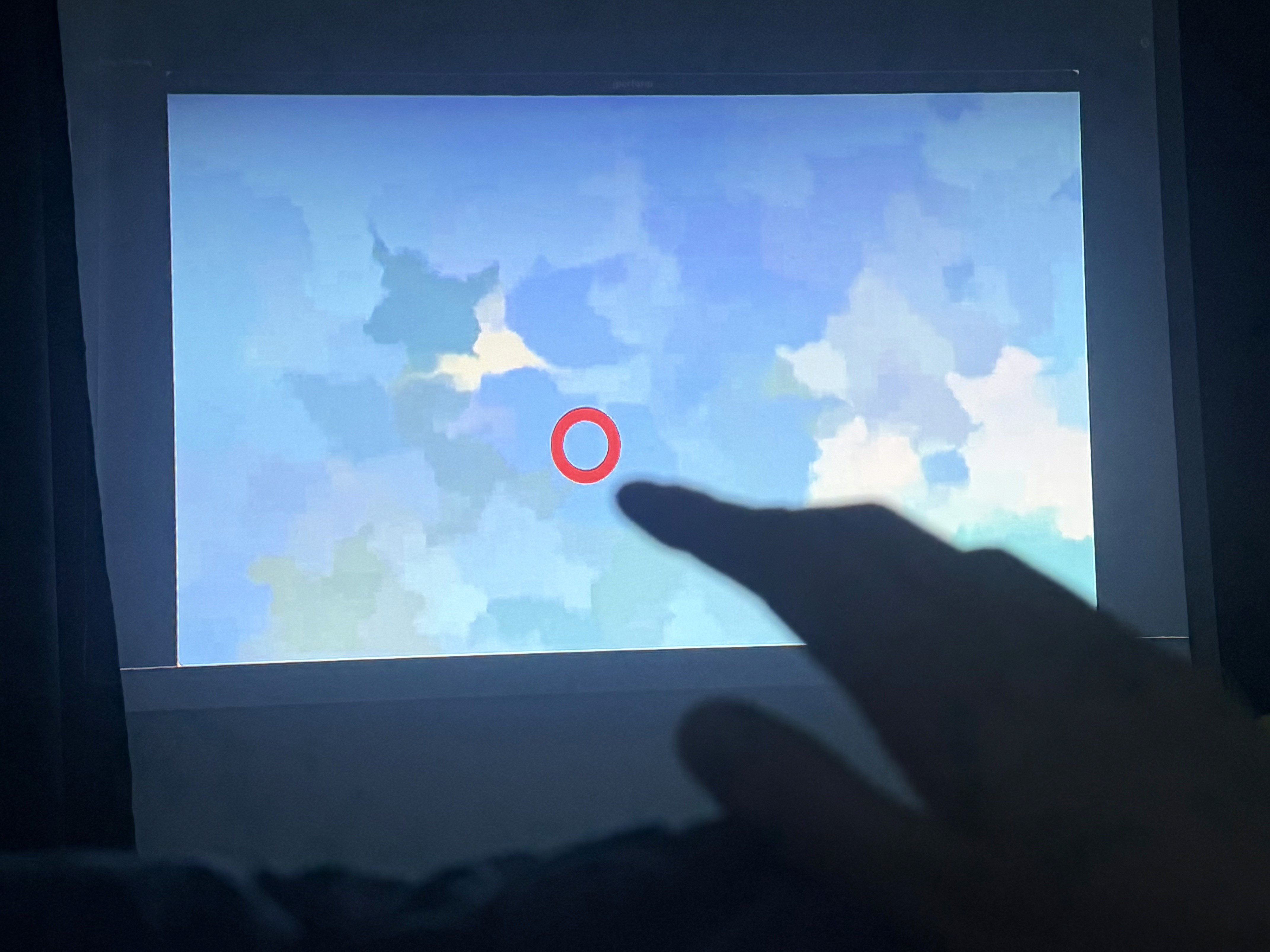

Play in Healthcare
Creative and recreational activities, like drawing, music, and simple games, in hospital settings have been shown to reduce stress, improve mood, and help patients maintain a sense of identity beyond the patient role.
These activities restore a sense of agency for patients.


Doodling and
Attention
Doodling supports attention, memory, and stress reduction.
It removes pressure to perform correctly.
The focus shifts from outcome to process, allowing engagement to remain open and continuous.
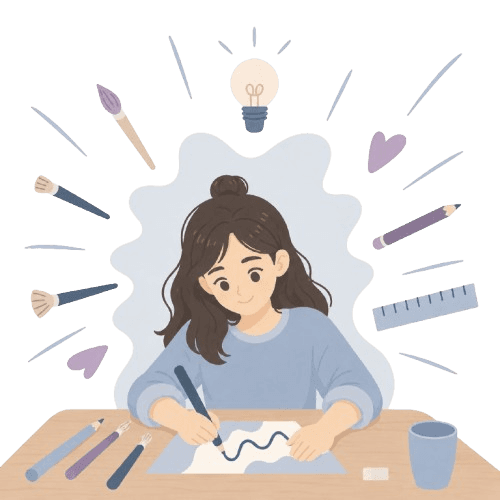

Imagination and daydreaming play an active role in emotional processing and mood regulation.
These mental states allow individuals to reframe stressful environments, offering internal relief even when physical conditions cannot change.
The Design
Opportunity
Healthcare design often focuses on reducing stress through neutrality.
This research suggests an alternative: environments that actively invite imagination, play, and sensory engagement as part of care.